
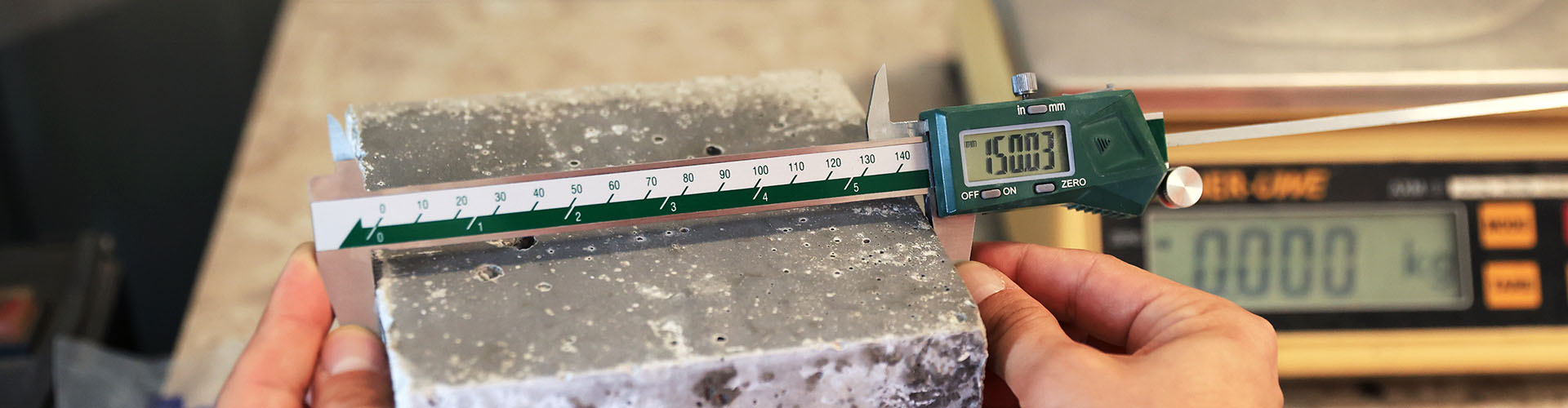
Construction Materials Testing Laboratory – Testing for Roads, Bridges, Asphalt, Concrete
The Physical-Mechanical Testing Laboratory of Domarcons S.R.L. is an essential component of the company’s activity, decisively contributing to quality control in the field of road and bridge construction. It serves both the company’s own works and external client projects, offering testing services in compliance with national and European regulations.
The DOMARCONS Laboratory has as its main objective the evaluation of the characteristics and behavior of construction materials or components under various stress conditions, in order to determine whether they meet the necessary standards for use in road and bridge construction. It provides tests for concrete, asphalt, quarry aggregates, and other materials specific to infrastructure, evaluating their mechanical and physical properties.
It is operated by qualified personnel, consisting of engineers, technicians, and specialists in mechanical and chemical engineering, constantly trained in the use of modern equipment and the application of the latest testing standards.
Confidentiality and Transparency
All tests and reports are documented in accordance with regulations, ensuring traceability and transparency in the evaluation of material quality used in road and bridge works.
The laboratory is equipped with devices (verified and calibrated by RENAR) for performing both basic and advanced mechanical tests, participating in PT/ILC proficiency tests together with other accredited laboratories.
Testing Procedures
For each type of test performed, the laboratory follows strictly regulated steps:
Laboratory Authorizations

ISC Authorization NR: 4457 / 06.06.2025
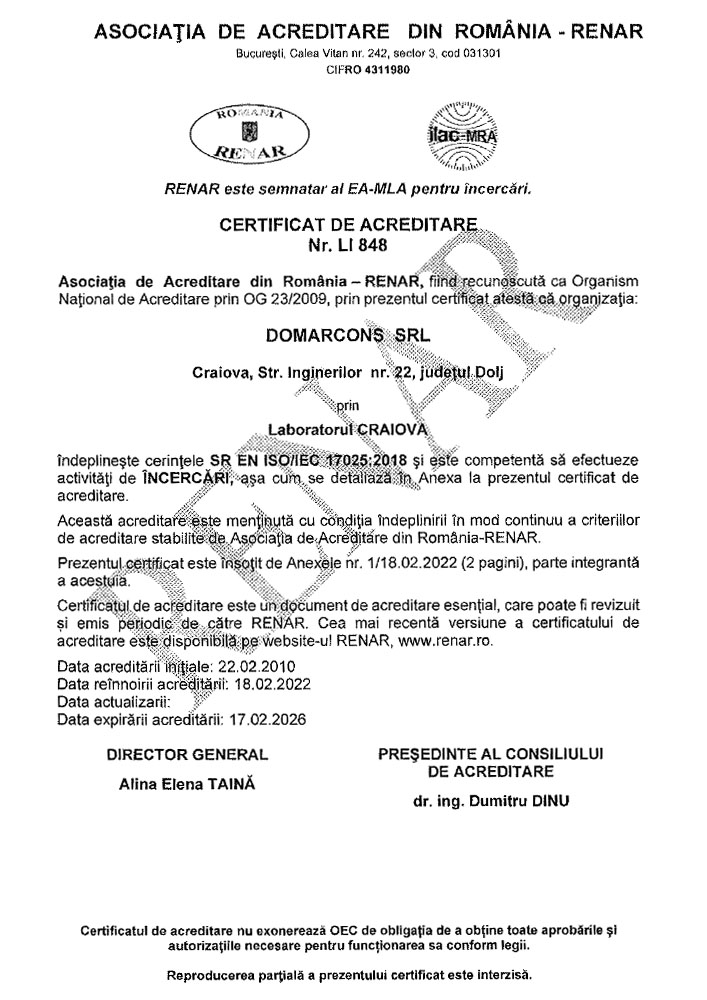
Accreditation (RENAR Certificate): NR: LI 848
The laboratory is accredited by RENAR (Romanian Accreditation Association) to perform tests in accordance with national and international standards. This ensures that the test results are reliable and globally accepted.
RENAR accreditation guarantees that all processes and procedures comply with international ISO and EN standards, making the laboratory capable of performing high-quality tests.
Maintaining accreditation includes periodic audits to verify compliance with standards and to evaluate the competence of equipment and staff.
Each test is documented in detailed reports that include all relevant data (equipment used, testing conditions). These reports are signed by authorized personnel and can be presented as official documents in certification procedures.
Areas of Application
The laboratory is structured into several testing profiles, each specialized in testing specific types of materials for road infrastructure works.
ANCFD – Natural aggregates, railways, roads
AR – Reinforcement materials; rebar, wires, or welded meshes
BBABP – Concrete, reinforced concrete, prestressed concrete
D – Roads
GTF – Geotechnics and foundation soils
HITIF – Bituminous waterproofing materials
MBM – Materials for concrete and mortar
MD – Road materials
MTZ – Materials for mortars and masonry
VNCEC – Non-destructive testing and evaluation of construction performance in service
Colaborări
Laboratorul a colaborat cu urmatoarele companii
What Our Clients Say About Us
“Collaboration with the Physical-Mechanical Testing Laboratory of S.C. DOMARCONS S.R.L. has always been characterized by professionalism, promptness, and technical rigor. The determinations carried out respected current standards, and the test reports were clear, correct, and delivered on time. We confidently recommend this laboratory’s services for infrastructure projects requiring material quality control.”
Activities Carried Out in the Laboratory
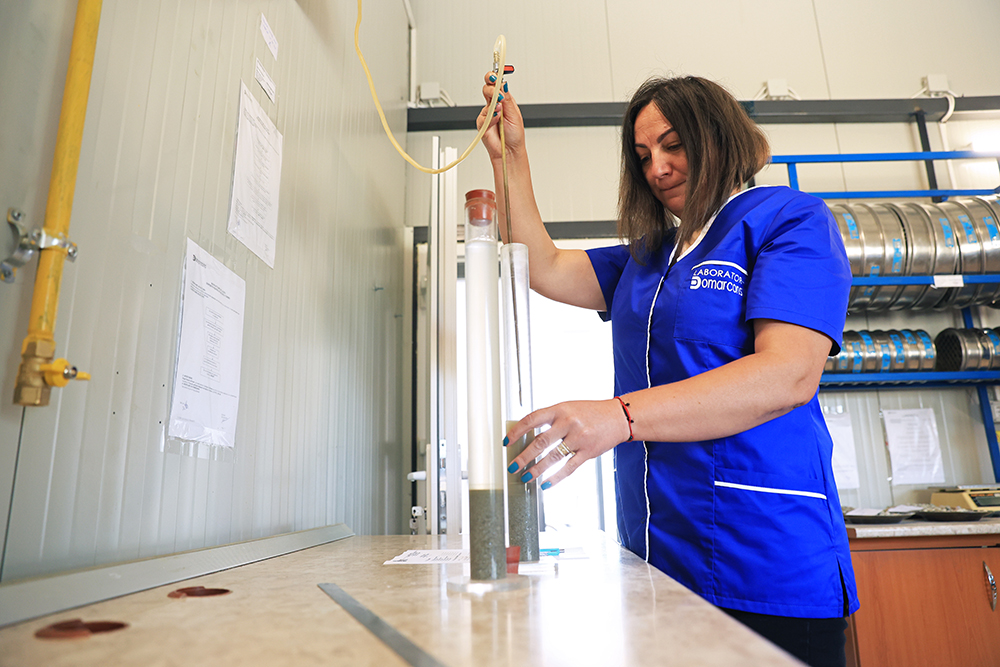
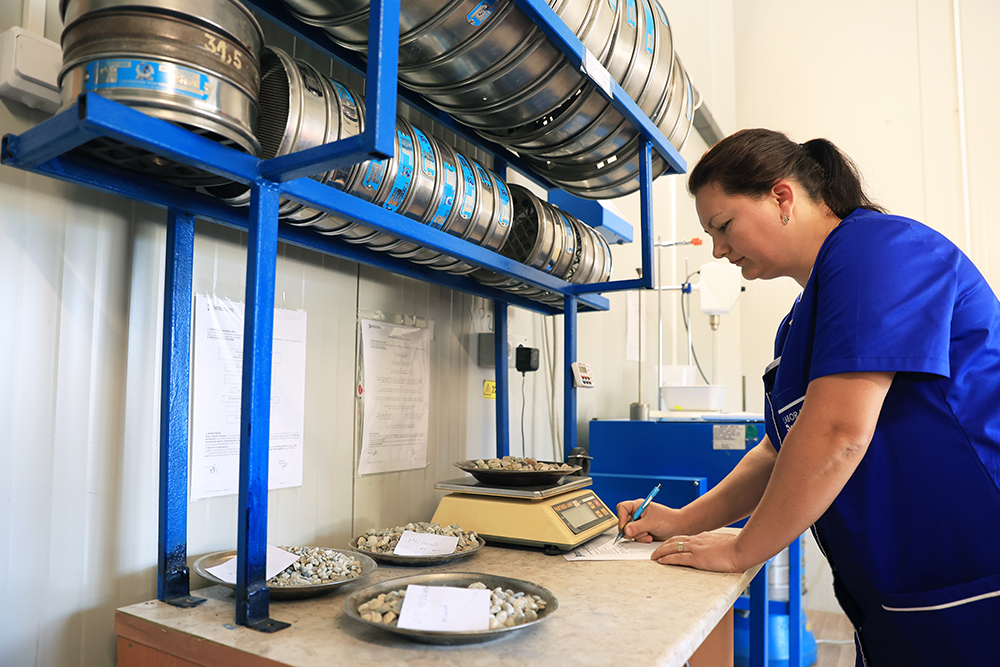
To highlight some of the activities carried out in our testing laboratory as well as in the field, we present below a few relevant images of ongoing operations.
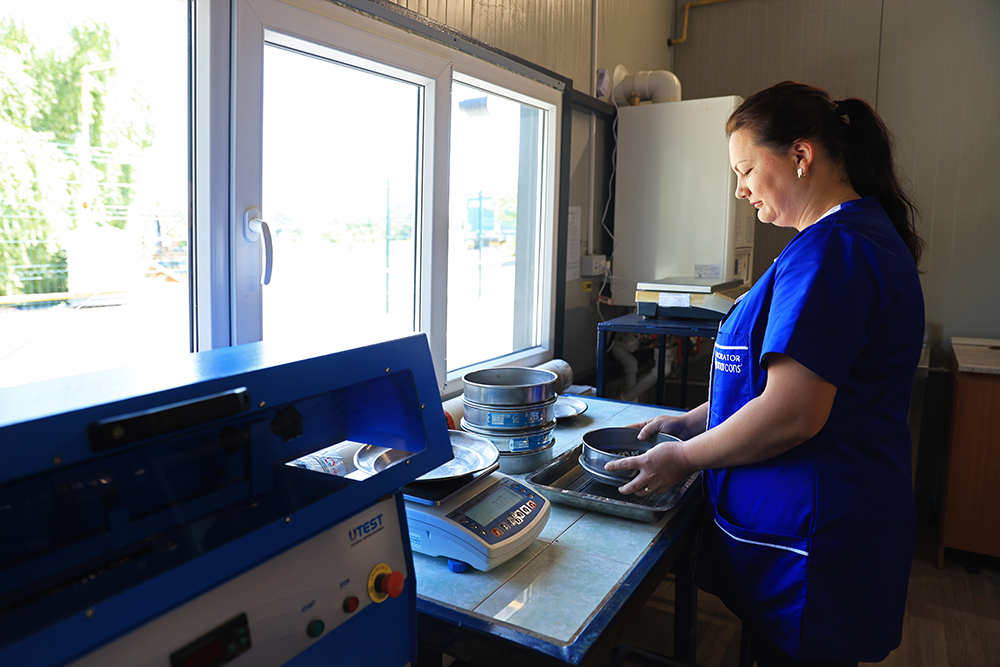
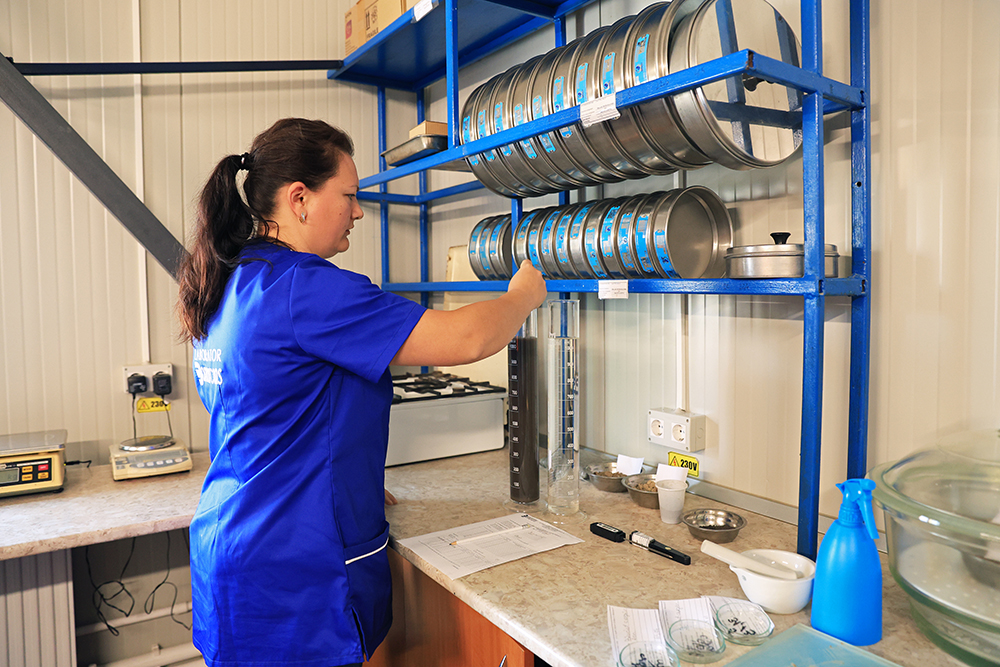
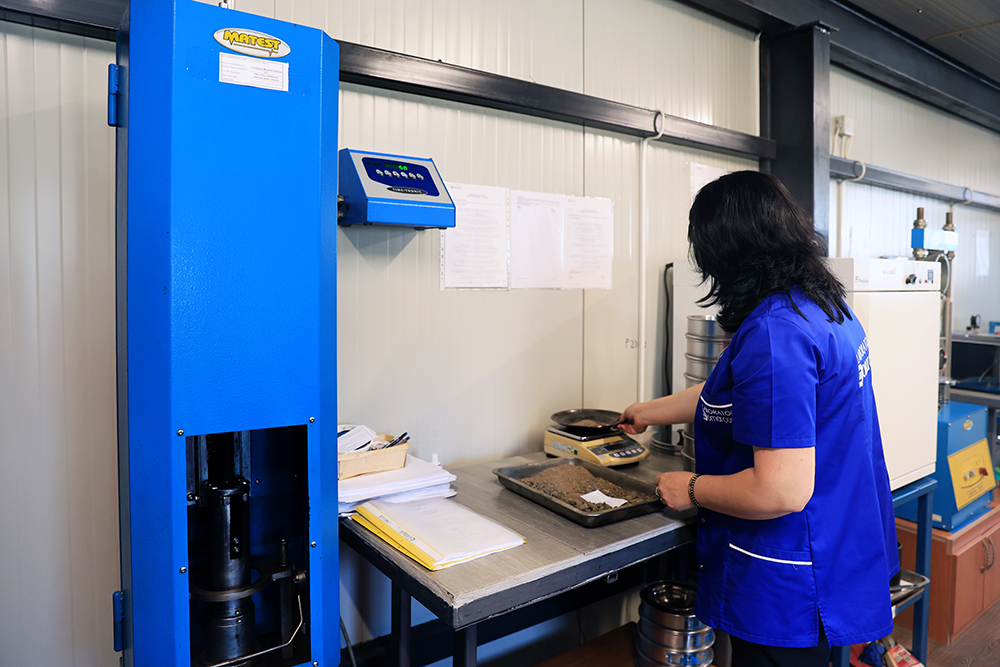
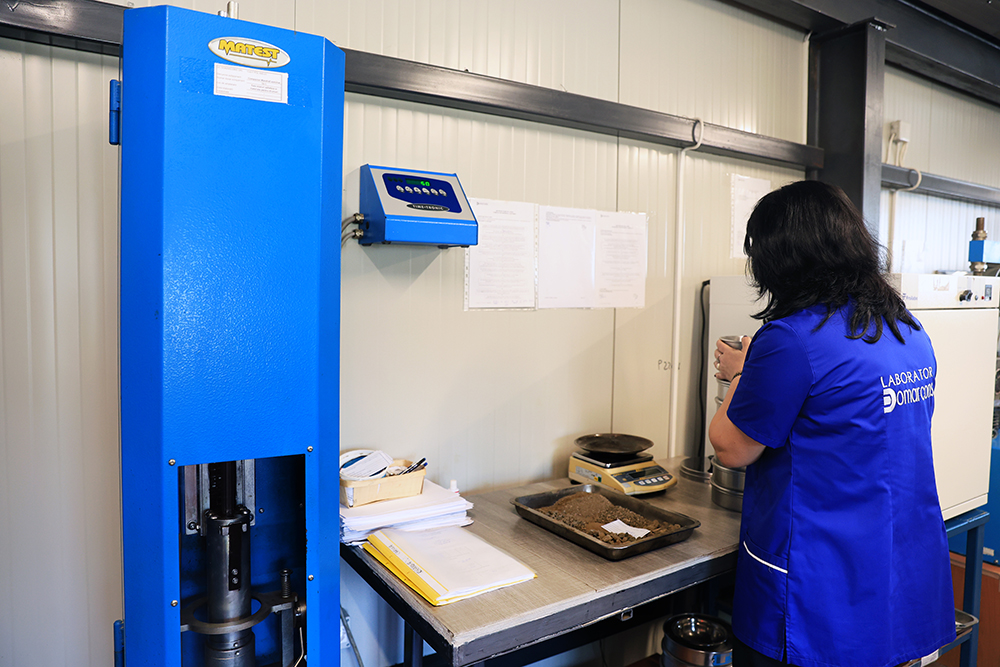
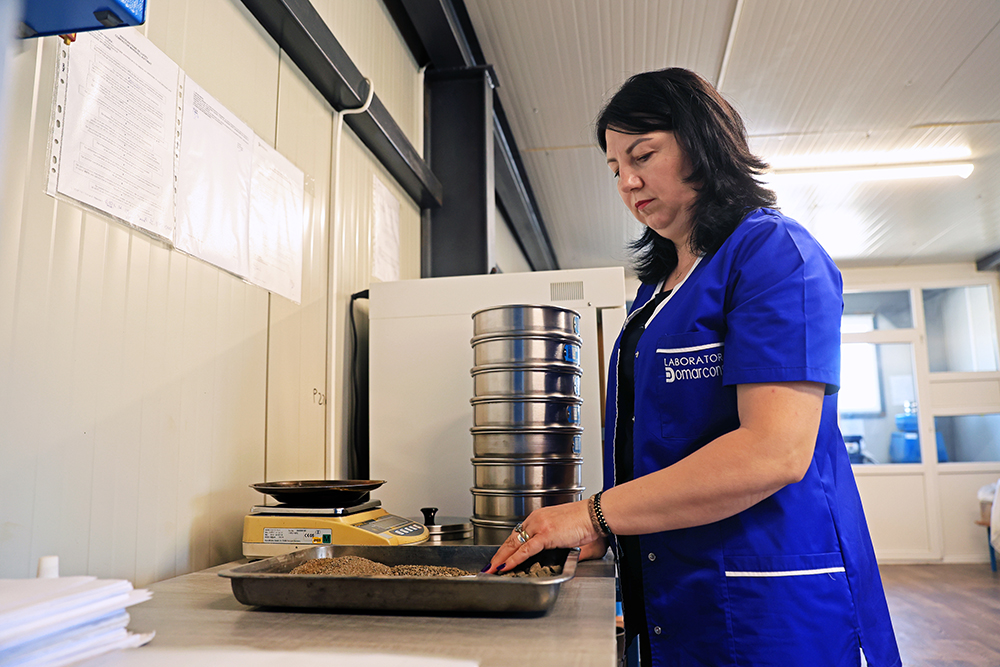
Testing Room – AGR Profile (Natural Aggregates for Railway and Road Works)
Aggregates are essential components in the production of concrete, asphalt mixtures, and embankments. Their quality directly influences the durability, strength, and performance of the final materials.
Purpose of the profile:

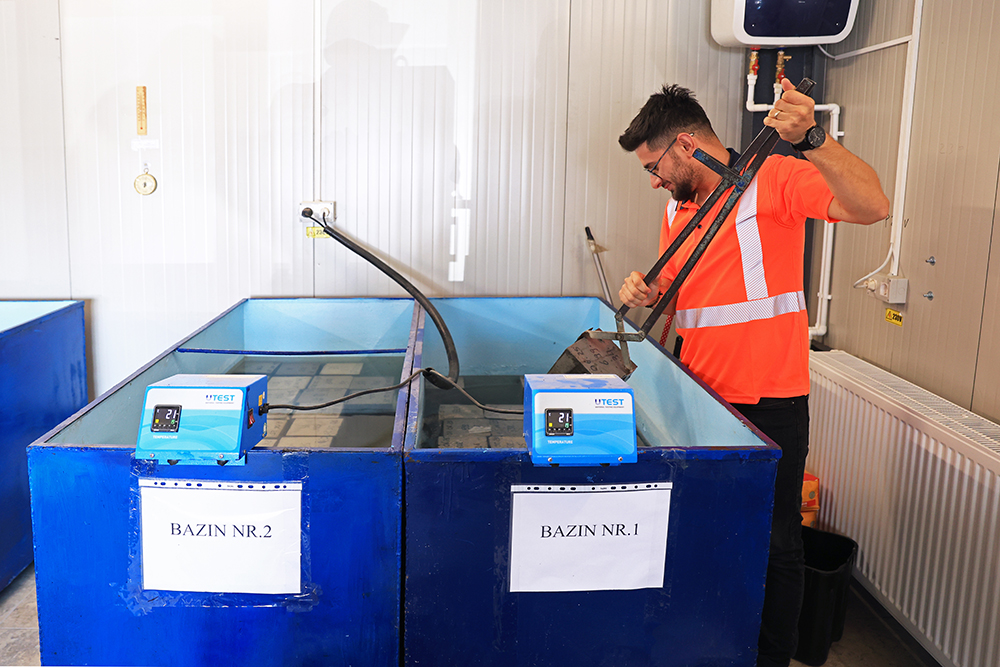
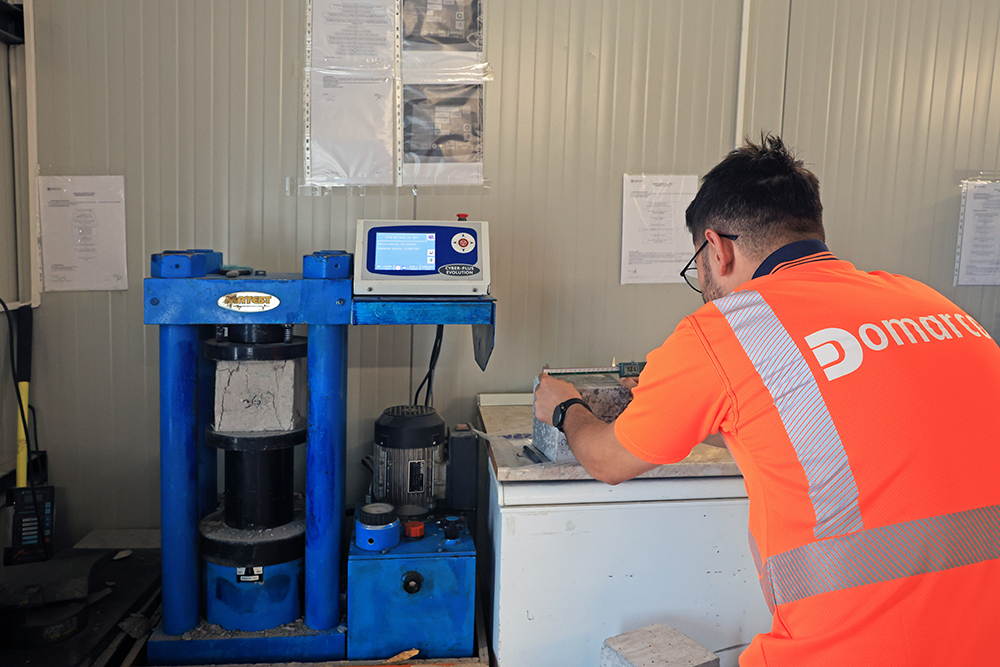
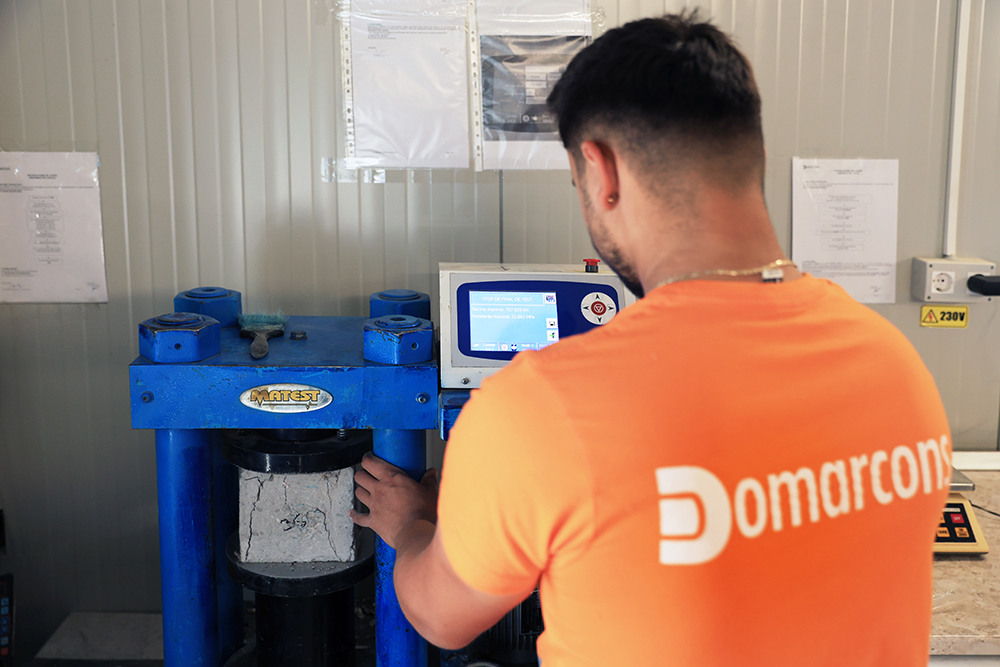
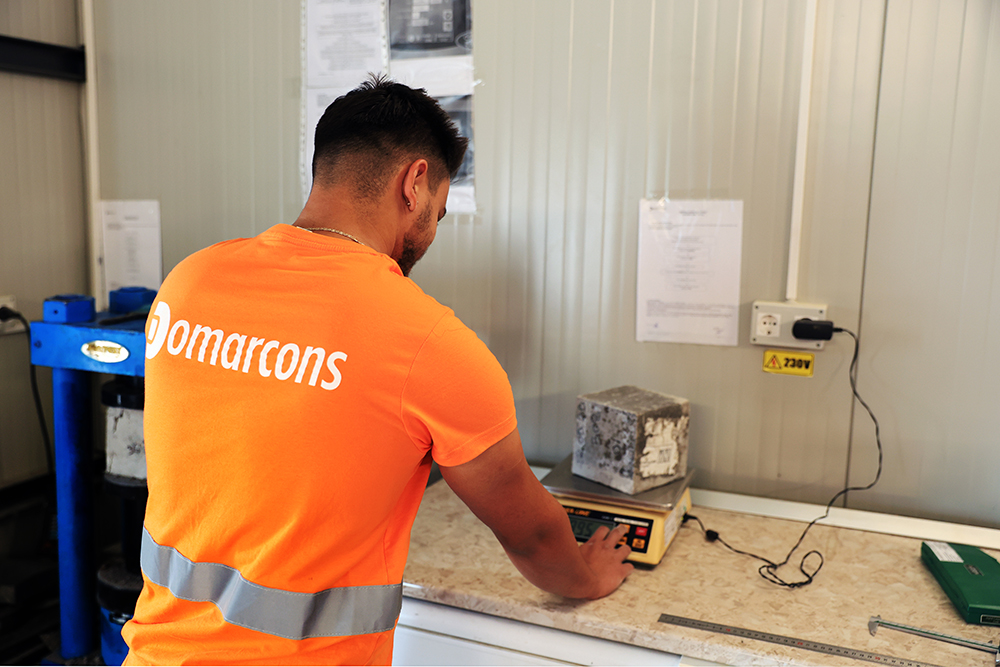
Testing Room – BBABP Profile (Concrete, Reinforced Concrete, Prestressed Concrete)
This profile regulates the method of quality control during preparation, transport, pouring, and curing of concrete.
Purpose of the profile:
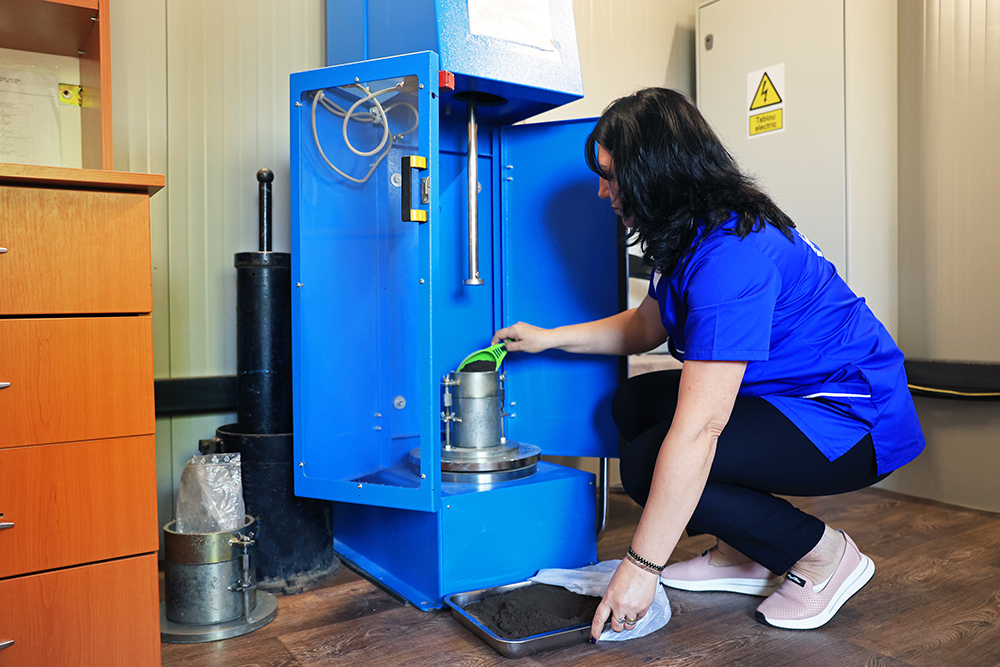
Testing Room – GTF Profile (Geotechnics and Foundation Soils)
Knowledge and classification of soil type ensure the correct choice of foundation solutions and prevent settlement issues.
Purpose of the profile:
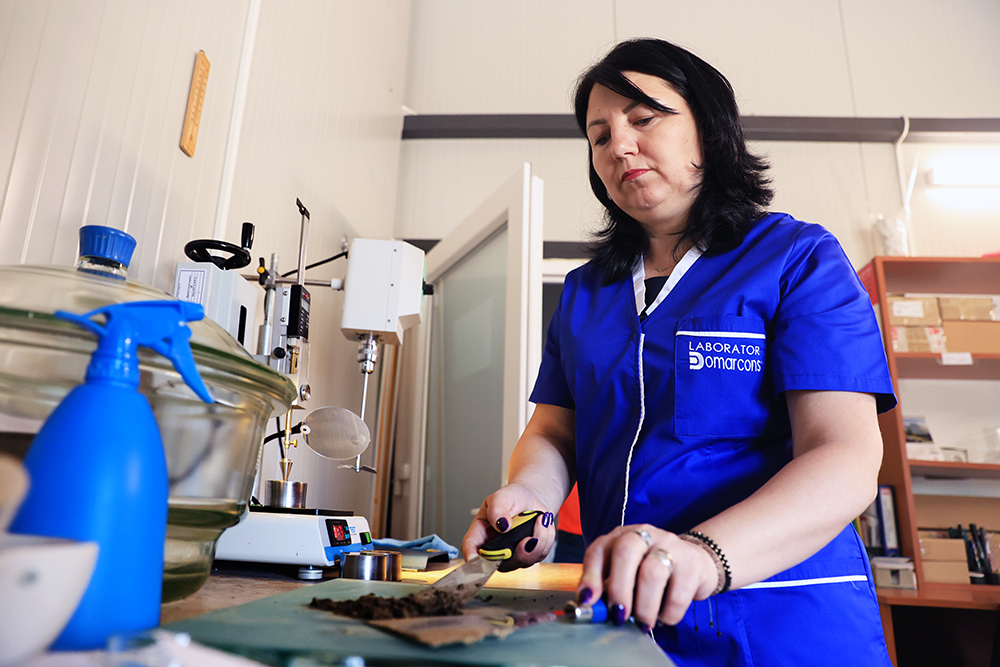
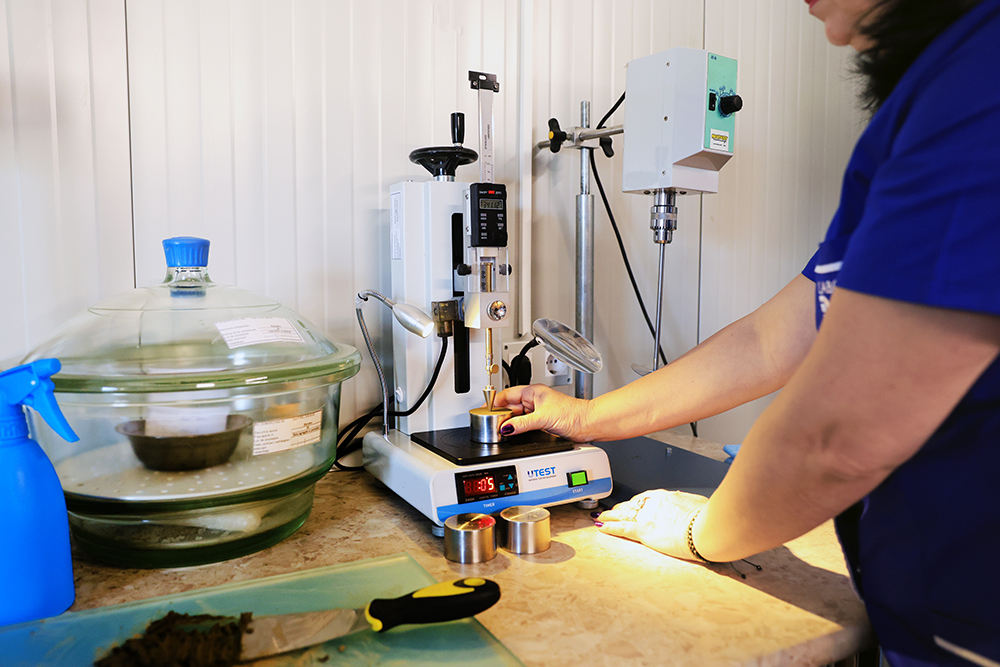
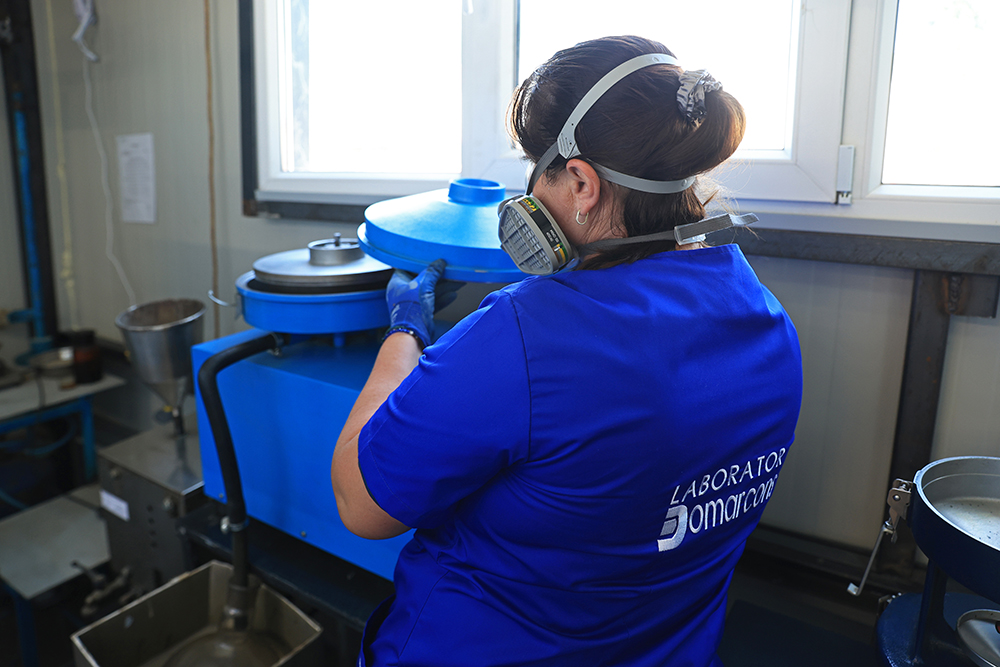
Testing Room – D Profile (Roads – Asphalt Mixtures)
Bitumen is a hydrocarbon binder used in road works for asphalt mixtures, waterproofing, and other applications. Its quality directly influences the behavior of mixtures under traffic and temperature variations.
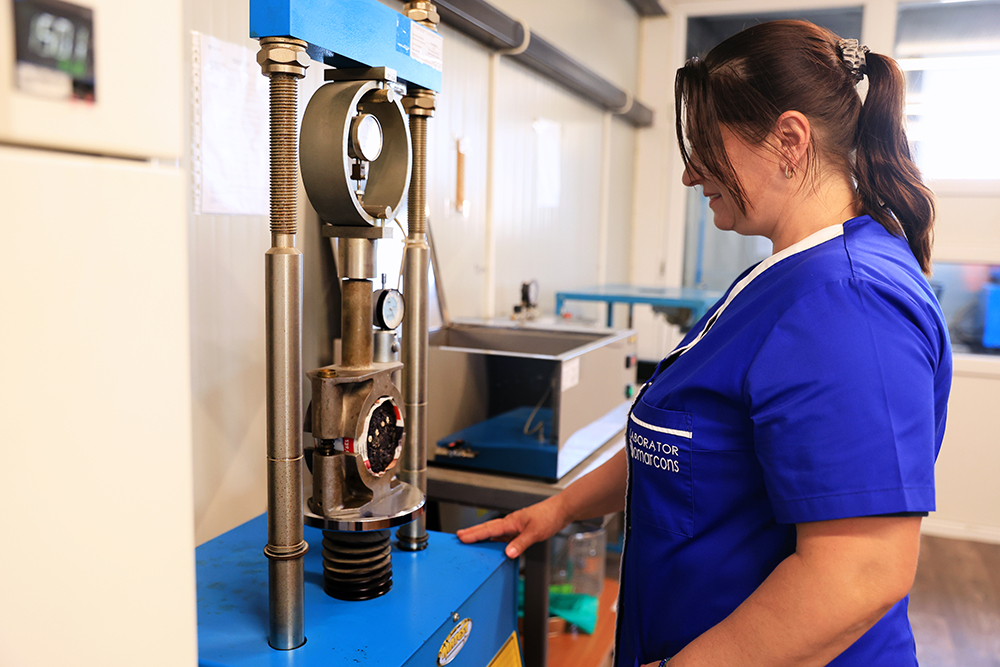
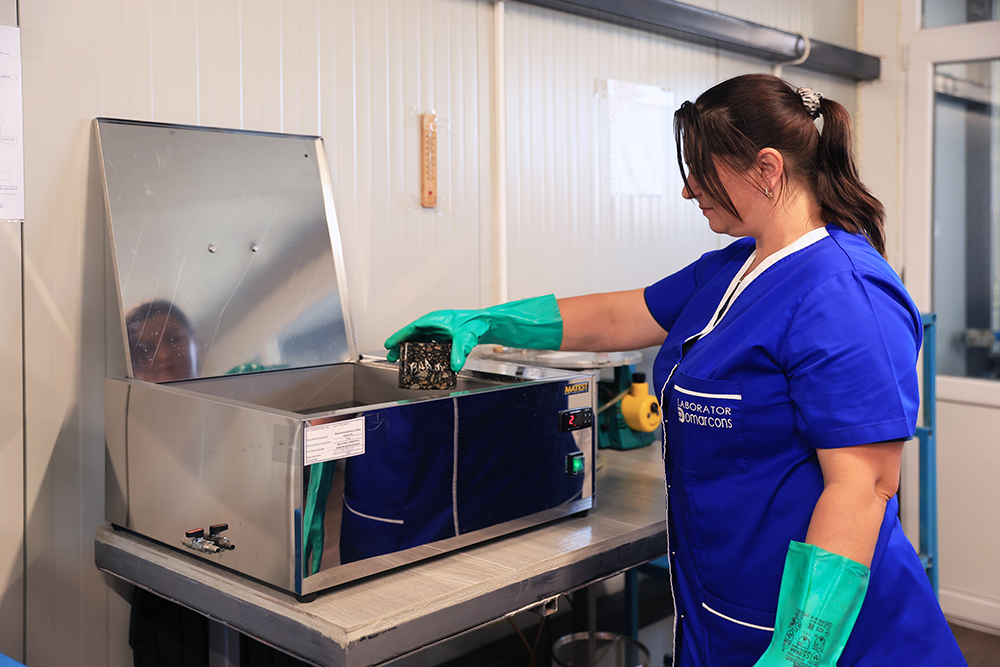
Asphalt mixtures are composite materials used for wearing, binder, and base layers of roads. Their quality affects performance under traffic, rutting resistance, cracking, and aging.
Purpose of the profile:
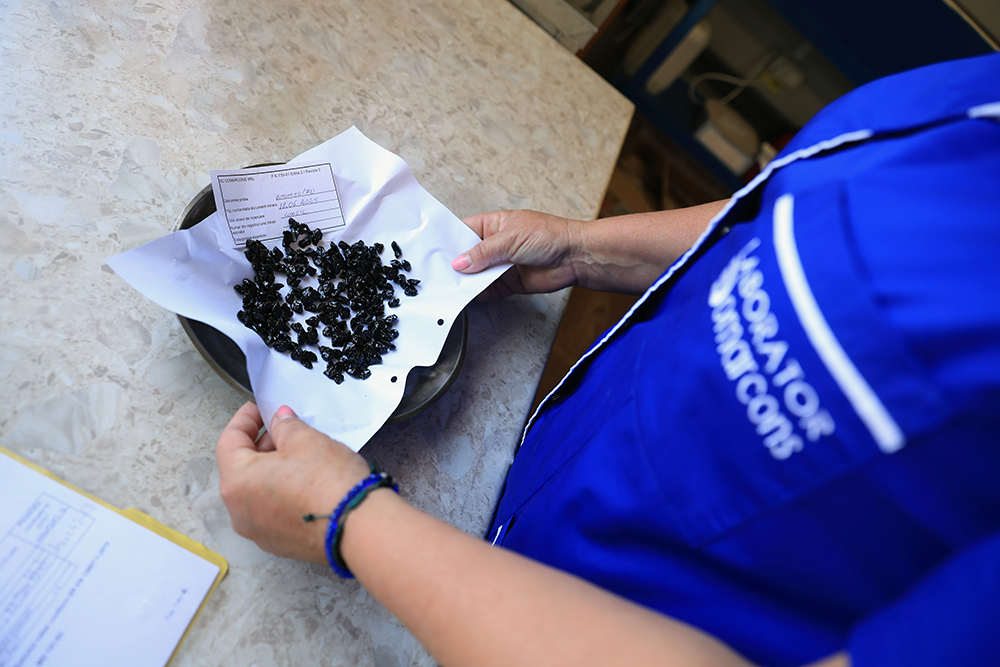

Workroom
The workroom is an integral part of the physical-mechanical testing laboratory, where test results are centralized and transformed into official reports compliant with national and international standards.
The workroom complies with the requirements of the standards (ISO/IEC 17025).
Role of the workroom:
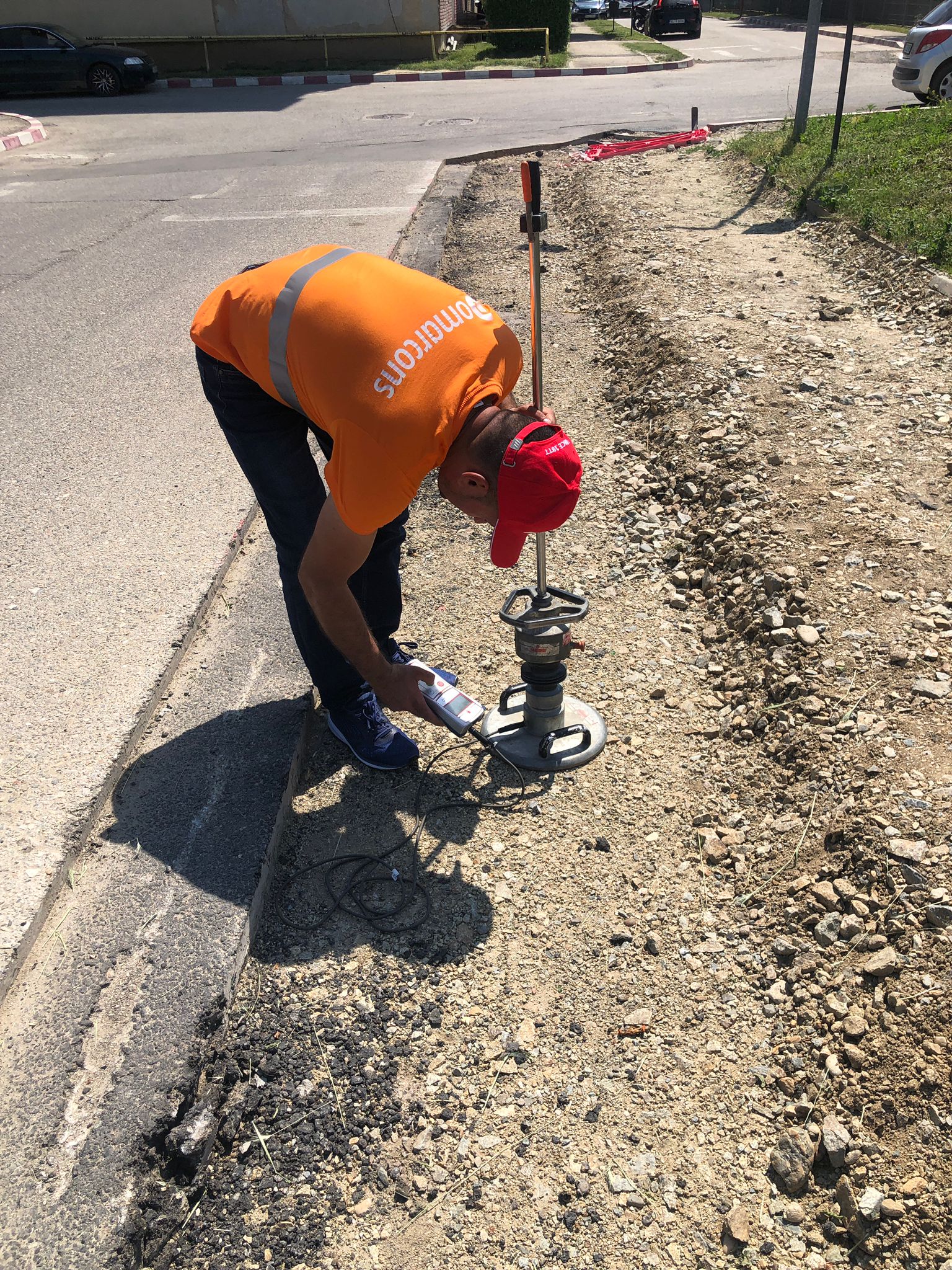
Dynamic Plate Test (Zorn Plate)
A fast, non-destructive method used for testing road layers, embankments, compacted fills, and platforms. It is based on applying a dynamic shock (impact) by dropping a weight, generating a deformation measured by sensors.
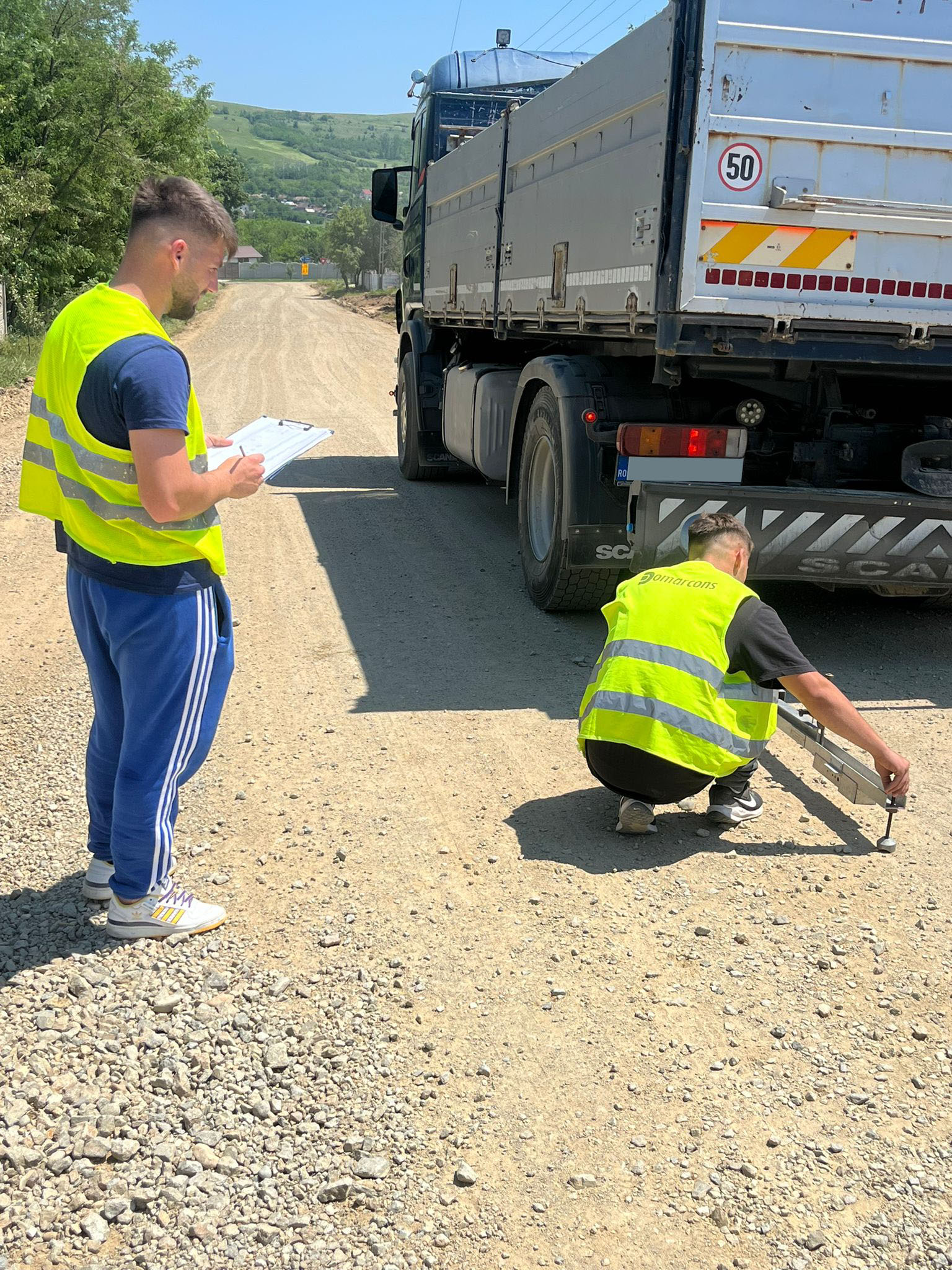
Bearing Capacity Test with Benkelman Beam
Mainly used for evaluating the bearing capacity of existing roads, especially base and foundation layers. It measures the local deflection of the layer under a loaded wheel (standard vehicle or trailer).
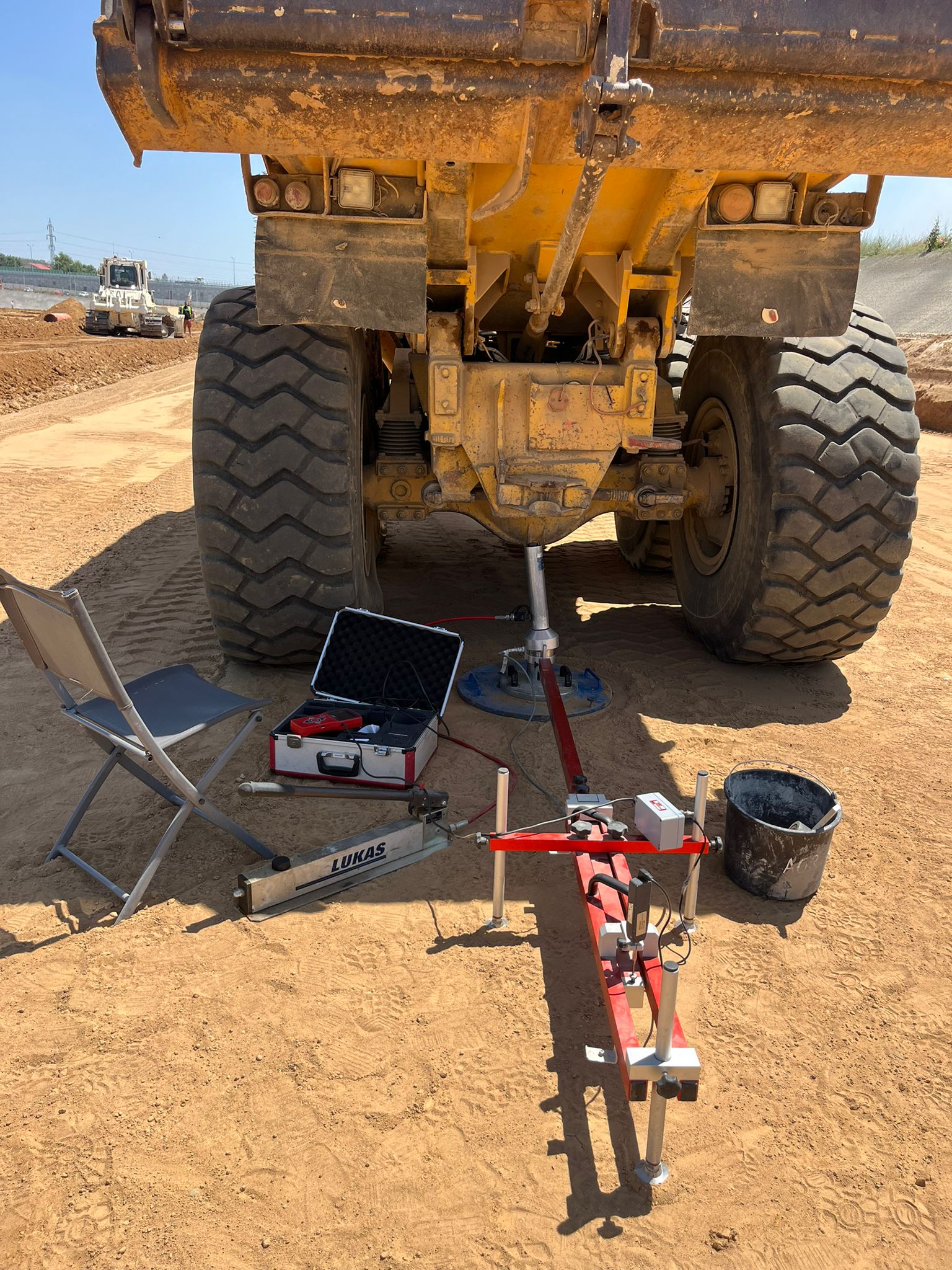
Static Plate Test (Lukas Plate)
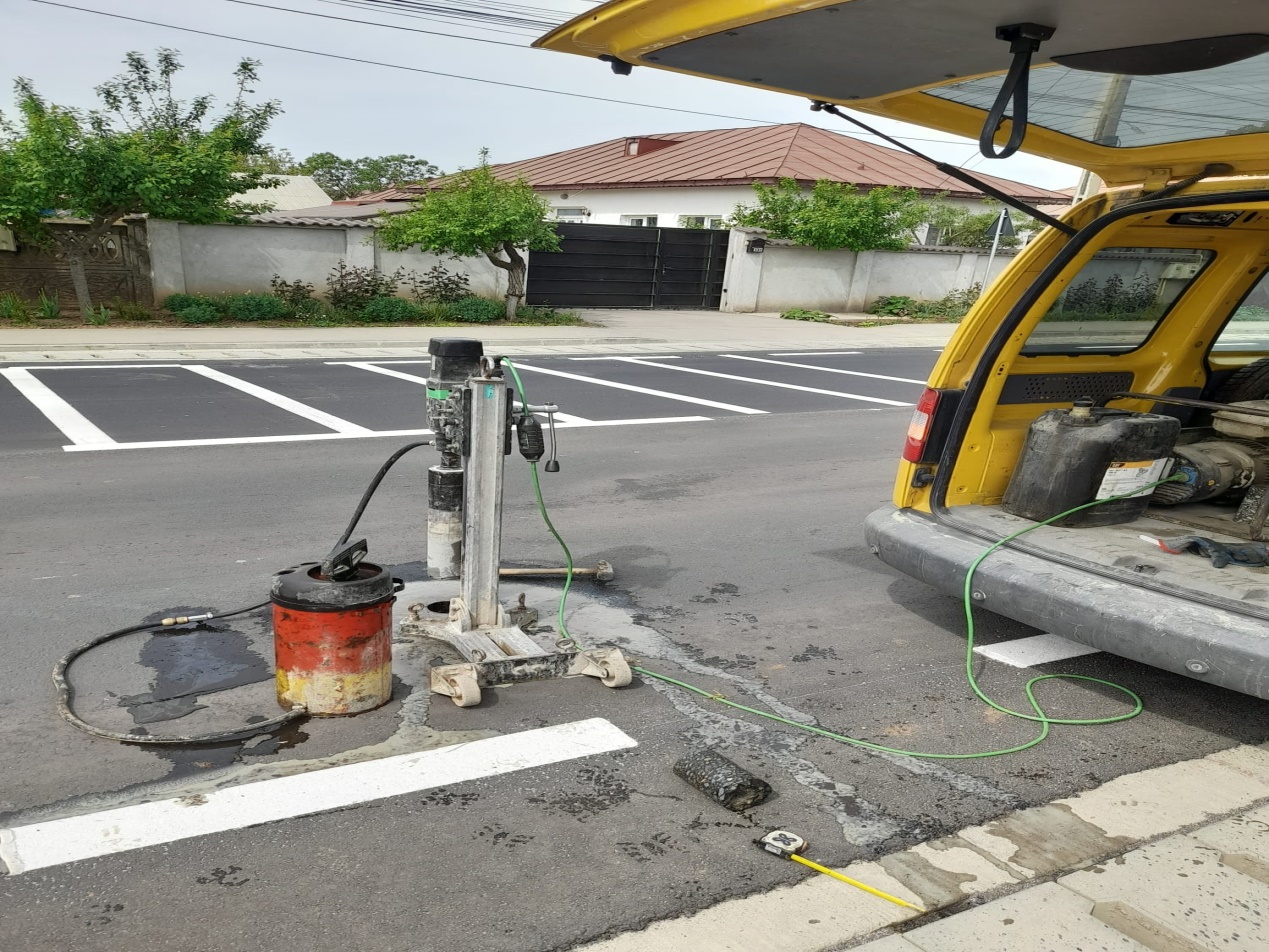
Asphalt Mixture Characteristics (Coring from executed or existing layers)
Asphalt mixture cores are cylindrical samples extracted from road layers (usually asphalt) through coring, aimed at evaluating the physical-mechanical characteristics and quality of the executed road layer.